
Is It Time to Pivot?
How to create and compete in a crazily rising, silver, market
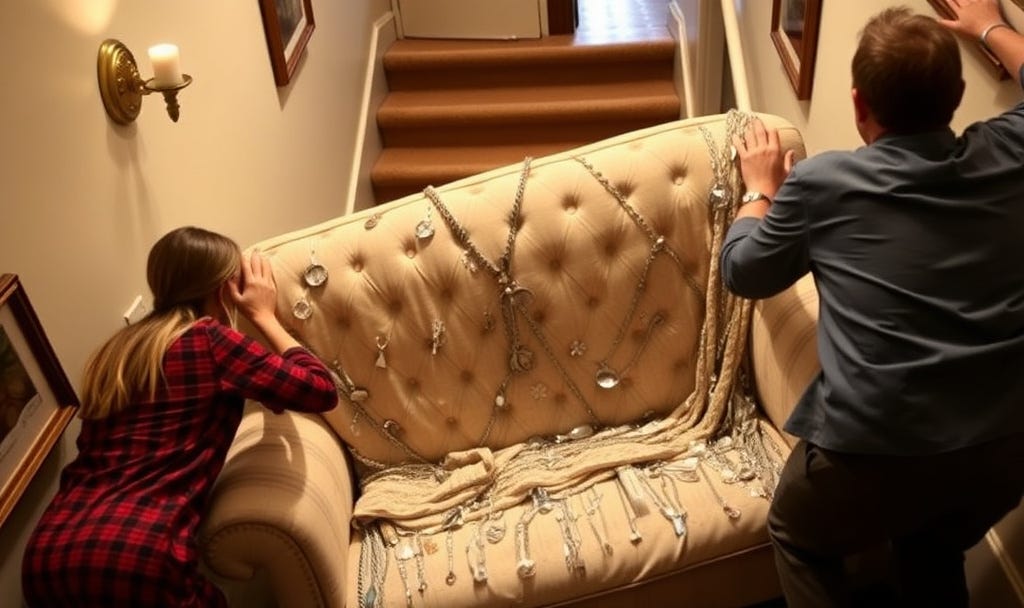
That Price Ain’t Right!
Oh my gosh. What’s happening with the price of precious metals right now? I’ve been making jewelry with silver metal clay for a couple of decades, and costs have definitely gone up periodically. But not like we’ve seen in the recent past. I hardly know what to think anymore.
January 2025 saw silver prices hovering around $30 an ounce. By January 2026 they’ve soared to over $90! That’s a hike of about 210%!! And most of the market boom has happened since September. It’s crazysauce I tell ya.
Google has loads of articles trying to explain it. One of the pioneers of metal clay and master jewelry creator of over 60 years, Linda Kaye Moses, wrote a FaceBook post about it on January 16 (I tried to copy a link, but FB wouldn’t let me - there will be a long scroll of political posts before you find it - but it’s worth the wait). Precious metal costs are the talk of the town for sure. And there’s not much we makers can do about it. Unless we make adjustments to our practice.
Alternative Measures - Bronze? Copper? Steel?
I’ve noticed that lots of jewelry makers are moving towards base clays and away from ‘precious’ metals. And that certainly is one way to go.
White bronze has a slightly greenish tinge, is notorious for being brittle, and is mostly used as an accent for contrast when co fired with ‘regular’ bronze. Not good for stand alone designs
Most white copper goes gray-ish, but I’ve read that Aussie ‘Snow White’ Copper may be a good substitute for silver (do some research - I’ve never tried it)
Steel is dark grey, but is also very lightweight and super strong. I have used Hadar’s powdered clays, and liked the steel very much.
And of course, traditional bronze (all of the ‘colors’), and pure copper are both popular and extremely cost effective.
Alternative Measures - The ‘Chain’


Some users may not have the wherewithal (i.e. kiln) or the desire to abandon their chosen addiction to the soft and silky white metal they’ve come to love. But all hope is not lost! If you don’t want to change up your signature materials too much, what about altering the the way you transform your metal clay focals into wearable jewelry? Instead of using commercial sterling silver chains with silver pendants - experiment with :
Leather cording
Silk, cotton, hemp or polyester beading/knotting cord
Add semi precious or glass beads to the mix to really up the perceived value.
Strands of ribbon
A combination of the above materials
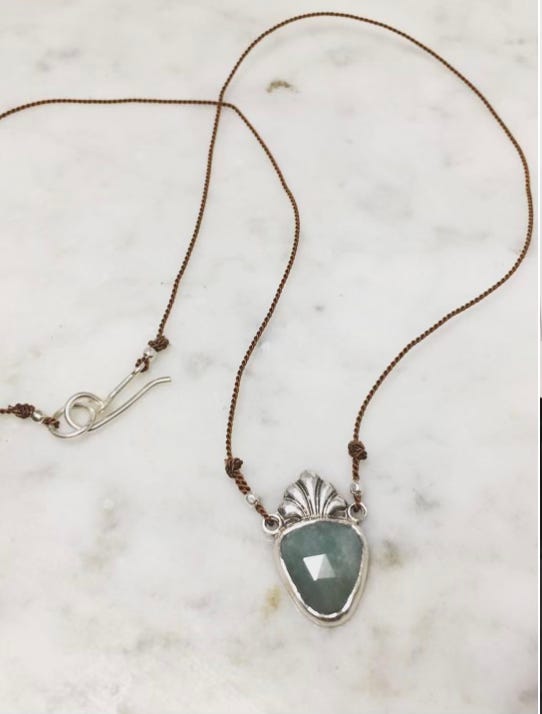
Take a look at these knotting techniques:
Necklace Slide (the lighter is used to melt the ends of a polyester cord, it won’t work with organic materials, choose to glue instead)
Pearl (can be use with any bead)
Chinese There are so many different Chinese knotting techniques. Search YouTube.
Alternative Measures - The Findings
What about ear wires? Some artists like to make their own, others buy them ready made. But what to use when the focal is copper or bronze? No one likes to develop green rings around their piercing holes because the wire itself is made of base metal. Instead try gold ’filled’ wire, titanium/niobium, or surgical stainless steel. If sterling is a non negotiable, silver filled wires will keep up appearances.
‘Plated’ wire is made from a very thin coating of precious metal electroplated over a base metal core. Which means it’s liable to flake, chip, and wear away over time - and when it eventually fails - may cause allergic reactions or irritate the wearer.
‘Filled’ wire - whether silver or gold - is much more substantial. With a pressure bonded coating of 5-10% (by weight), plated wire is hypoallergenic and tarnish resistant providing a much longer lasting finding. Look for 10% filled wire, I buy mine by the foot on Etsy.
Titanium and niobium are strong, silvery grey metals, that change to a string of rainbow colors when anodized.
Stainless steel is definitely silvery, hard, durable, hypoallergenic, and may be the most affordable choice of them all.
Alternative Measures - Mixed Media
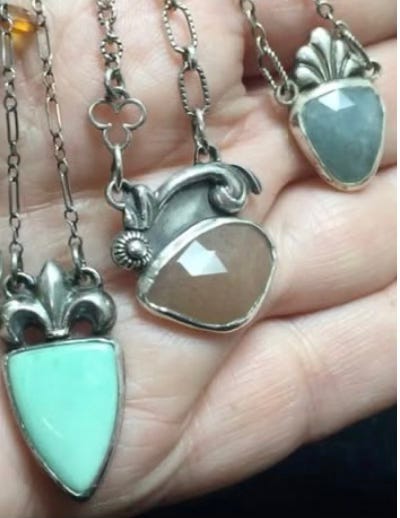
The final option I’m going to suggest is to really take a hard pivot by learning a new skill, or leaning in to one you may already have tried. Soldering. Because metal clay is so easy to use in molds, think about using small, decorative, metal clay, focal pieces, to accent bezel-set, semi precious, gemstones. If you use copper as a backing material (metal clay or milled metal); a thin, fine silver bezel wire; and an arrangement of molded elements; you can create a really impressive design that may fit in to your reimagined line of more affordable jewelry.
It’s a challenging time for people working with precious metals. Hopefully we’ll all find new ways to cope with the changing market. I don’t know if there will be a correction any time soon, but in the meantime, take a look at your designs to see if they’d still work if you used less metal clay (thinner or smaller), changed up your finishing methods, or searched out new venues with a different clientele. Hopefully you won’t feel the need to move on to a totally new material. A jeweler’s life is all about learning to be creative and figure things out, even when there is no tried and true game plan to emulate. Best Wishes for a creative, affordable, and financially stable 2026!
Until Next time
xoxo, Lora ~